
Creating Botnet in Rust
Xây dựng Botnet bằng Rust
20 học viên

Giảng viên
Naga Sai Nikhil
Phụ đề tiếng Anh
Bán chạy
Đánh giá cao
50.000đ
399.000đ
-87%
Bao gồm phụ đề tiếng Việt, tiếng Anh
1.0 giờ video
7 bài giảng
Truy cập vĩnh viễn
Học trên mọi thiết bị
Cập nhật: 31/05/2026
Bạn sẽ học được gì
Yêu cầu
Không yêu cầu kiến thức nền tảng
Đối tượng phù hợp
Nội dung khóa học
7 phần • 7 bài giảng
1
Giới thiệu
1
Thực thi lệnh thông qua Command trong Rust
1
Socket và tạo reverse shell
1
Giới thiệu về đa luồng
1
Hoàn thiện máy chủ botnet
1
Mã máy chủ
1
Mã máy khách
Giới thiệu khóa học
Our "Creating Botnet in rust" course teaches you how to create multithreaded botnet network in rust.
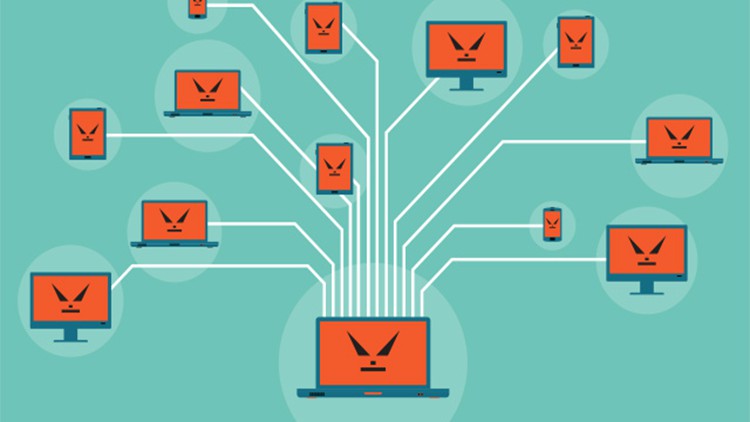
A botnet is a network of compromised computers or devices that are under the control of a single entity, often referred to as a "botmaster" or "command and control server." These compromised devices, known as bots or zombies, typically become part of a botnet through the installation of malicious software without the knowledge or consent of their owners.
A reverse shell is a type of shell in which an attacker sets up a connection between their machine and a compromised system, enabling them to execute commands on the compromised system. This is in contrast to a regular or "bind" shell, where the compromised system actively listens for incoming connections.
Botnets are commonly used for various malicious activities, including:
Distributed Denial of Service (DDoS) Attacks: The botmaster can command the bots to flood a target website or online service with traffic, overwhelming its resources and making it unavailable to legitimate users.
Spam Distribution: Botnets can be used to send out massive volumes of spam emails, promoting scams, phishing attacks, or spreading malware.
Credential Theft: Bots may be used to collect usernames and passwords through various means, such as keylogging or phishing, providing attackers with unauthorized access to accounts.
Cryptojacking: Botnets can be used to secretly mine cryptocurrencies by harnessing the computing power of the compromised devices.
Information Theft: Botnets may be used to gather sensitive information, such as personal and financial data, for identity theft or other malicious purposes.
Propagation of Malware: Botnets can be used to distribute and install additional malware on the compromised devices, creating a broader and more resilient network for the attacker.
Reverse shells are a common technique used in various cybersecurity scenarios, including penetration testing and ethical hacking, where security professionals assess the vulnerabilities of a system to help improve its defenses. However, reverse shells are also a common component of malicious activities, such as remote exploitation, data theft, and unauthorized system access.
We will use rust to create a reverse shell server and client.
50.000đ
399.000đ
-87%
Bao gồm phụ đề tiếng Việt, tiếng Anh
1.0 giờ video
7 bài giảng
Truy cập vĩnh viễn
Học trên mọi thiết bị
Cập nhật mới nhất: 31/05/2026
Khóa học liên quan
Khám phá thêm các khoá học cùng chủ đề

Khóa Học An Ninh Mạng Toàn Diện: Bảo Vệ Điểm Cuối!
Nathan House
4.5
(7062)
101,578
50.000đ
349.000đ
-86%

Trại huấn luyện Dịch ngược: Ghidra, IDA, Linux và x86_64
OCSALY Academy | 570.000+ Students
4.4
(419)
63,086
50.000đ
1.099.000đ
-95%


Kiến Thức Cơ Bản về Phân Tích Mã Độc và Kỹ Thuật Ngược
Paul Chin, PhD
4.5
(1742)
33,587
50.000đ
349.000đ
-86%

Khóa học toàn diện về Social Engineering, Phishing, OSINT & Malware
Muharrem AYDIN
4.4
(7484)
25,151
50.000đ
349.000đ
-86%

Reverse Engineering 3: Phân Tích Tĩnh Đồ Họa với x64dbg
Paul Chin, PhD
4.5
(182)
18,189
10.000đ
349.000đ
-97%

Phân Tích Ngược & Phân Tích Mã Độc - Trình Độ Trung Cấp
Paul Chin, PhD
4.8
(366)
13,079
50.000đ
349.000đ
-86%

Phân tích mã độc và kỹ thuật dịch ngược cho .NET & Java
Paul Chin, PhD
4.6
(103)
13,068
50.000đ
349.000đ
-86%


Khóa học đầy đủ & Bài thi thực hành CompTIA Security+ (SY0-701)
Jason Dion • 2.8 Million+ Enrollments Worldwide
4.6
(114247)
473,382
79.000đ
349.000đ
-77%

Khóa Học An Ninh Mạng Toàn Diện: Hé Lộ Thế Giới Hacker!
Nathan House
4.6
(57964)
315,274
50.000đ
2.389.000đ
-98%

Wireshark: Phân Tích Gói Tin và Hacking Mũ Trắng: Kỹ Năng Cốt Lõi
David Bombal
4.7
(8855)
243,847
50.000đ
609.000đ
-92%

Khóa Học An Ninh Mạng Toàn Diện: Bảo Mật Mạng!
Nathan House
4.6
(20653)
195,266
50.000đ
429.000đ
-88%

Khóa học đầy đủ & Bài thi thực hành CompTIA Network+ (N10-009)
Jason Dion • 2.8 Million+ Enrollments Worldwide
4.7
(38007)
195,154
79.000đ
349.000đ
-77%

Hướng Dẫn Tuyệt Đối Cho Người Mới Bắt Đầu Về An Ninh Mạng 2026 - Phần 1
Alexander Oni
4.6
(56159)
142,570
50.000đ
349.000đ
-86%

